
The Razr’s Edge: A Saga of smartphone Giants and the Iconic Flip
The Motorola Razr. A name that conjures images of sleek, ultra-thin profiles, satisfying flips, and a cultural moment when a phone wasn’t just a tool, but a fashion statement. But the story of the Razr, both its original triumph and its modern reinvention, is a tale woven with the threads of multiple smartphone giants, each leaving their mark on this iconic device.
The Genesis: Motorola’s Moment of Brilliance
The early 2000s were a wild west for mobile phones. Before the iPhone and Android, feature phones reigned supreme, and Motorola was a dominant force. However, by the mid-2000s, they were feeling the heat. Competitors were pushing innovative designs, and Motorola needed a game-changer. That game-changer arrived in the form of the Razr V3.
A Design Revolution
The Razr wasn’t just a phone; it was a design philosophy. Its ultra-thin profile, crafted from aircraft-grade aluminum, was revolutionary. It felt premium, futuristic, and undeniably cool. The keypad, etched from a single sheet of metal, was a tactile delight. The clamshell design, while not new, was executed with an elegance that set it apart.
Marketing Magic
Motorola’s marketing campaign was masterful. They positioned the Razr as a luxury item, a status symbol. Celebrities were seen with it, and it became a must-have accessory. The phone wasn’t just about functionality; it was about style, individuality, and being ahead of the curve.
The Peak and the Fall
The Razr V3 was a phenomenal success, selling over 130 million units. For a time, Motorola was on top of the world. However, the company failed to capitalize on this success. They became complacent, relying on the Razr’s popularity while neglecting innovation.
As the smartphone revolution began, Motorola was caught flat-footed. They struggled to adapt to the new landscape of touchscreen devices and powerful operating systems. The Razr, once a symbol of innovation, became a relic of the past.
The Google Interlude: A Brief Resurgence
In 2011, Google acquired Motorola Mobility, hoping to bolster its Android ecosystem. The acquisition was driven by Google’s desire to access Motorola’s patents and hardware expertise. While under Google’s ownership, Motorola released some interesting devices, but the Razr remained dormant.
The Droid Razr: A Nod to the Past

Motorola attempted to revive the Razr name with the Droid Razr series. These smartphones were thin and featured durable Kevlar backs, a nod to the original’s premium materials. However, they lacked the iconic flip design and failed to capture the same magic.
Google’s Focus on Pure Android
Google’s primary focus was on developing the Android operating system and showcasing its potential. Motorola was used as a vehicle for this, releasing devices with near-stock Android experiences. While this appealed to some enthusiasts, it didn’t translate into widespread commercial success.
The Lenovo Era: Reimagining the Icon
In 2014, Lenovo acquired Motorola Mobility from Google. Lenovo saw the potential in the Motorola brand and its iconic products, including the Razr. They recognized the nostalgia surrounding the device and saw an opportunity to bring it back for a new generation.
The Foldable Future
Lenovo’s vision for the Razr was bold: a foldable smartphone that captured the essence of the original while embracing the latest technology. The new Razr, launched in 2019, featured a clamshell design with a foldable OLED display.
A Blend of Nostalgia and Innovation
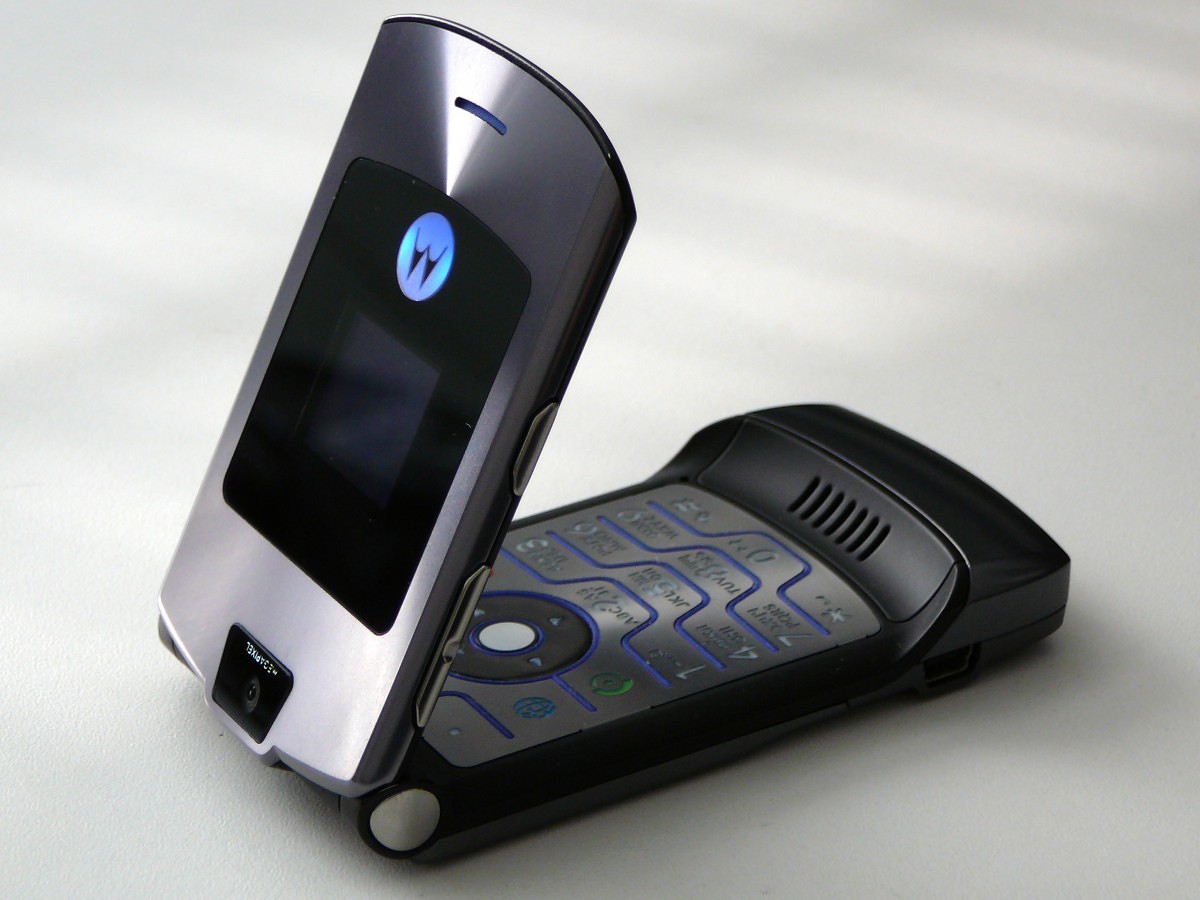
The 2019 Razr was a masterclass in design. It captured the sleek profile and satisfying flip of the original, while incorporating a modern touchscreen display. The external Quick View display allowed users to access notifications and perform basic tasks without opening the phone.
Challenges and Refinements
The initial launch of the foldable Razr was met with mixed reviews. While the design was praised, the device faced criticism for its high price, limited battery life, and durability concerns. Lenovo took these criticisms to heart and released updated versions with improved specifications and features.
The 2020 Razr 5G and Beyond
The 2020 Razr 5G addressed many of the shortcomings of the original foldable model. It featured a more powerful processor, improved cameras, and 5G connectivity. Lenovo continued refining the design and user experience, demonstrating its commitment to the Razr brand.
The Razr’s Enduring Legacy
The Razr’s story is a testament to the power of design and branding. It’s a reminder that a product can transcend its functional purpose and become a cultural icon. The original Razr’s success was built on its sleek design, innovative features, and masterful marketing.
A Symbol of Style and Innovation
The Razr wasn’t just a phone; it was a symbol of style, innovation, and individuality. It represented a time when mobile phones were more than just tools; they were fashion accessories.
The Power of Nostalgia
The modern Razr’s success is driven by nostalgia. It taps into the emotional connection that people have with the original device. It’s a reminder of a simpler time, when phones were about making calls and sending texts, and when a flip phone was the height of cool.
The Future of Foldables
The Razr’s reinvention has played a significant role in the development of foldable smartphones. It has shown that foldable devices can be stylish, functional, and appealing to a wide audience.
The Ongoing Competition
Samsung, with its Galaxy Z Flip series, has become a major competitor in the foldable clamshell market. This competition pushes innovation, leading to better devices for consumers. Motorola and Lenovo are continually refining the Razr, aiming to capture a larger share of the foldable market.
Conclusion: The Razr’s Resilient Journey
The Motorola Razr’s journey is a story of highs and lows, innovation and stagnation, and ultimately, resilience. From its initial triumph as a groundbreaking feature phone to its modern reinvention as a foldable smartphone, the Razr has consistently captured the imagination of consumers.
The Razr’s enduring legacy is a testament to the power of design, branding, and nostalgia. It’s a reminder that a product can become more than just a device; it can become a cultural icon. As the foldable smartphone market continues to evolve, the Razr will undoubtedly play a significant role in shaping its future. The smartphone giants that have touched the razr have each left their own mark, contributing to an iconic product that continues to resonate with consumers today.


