
The Comprehensive Guide to smartphone Benchmarks: Decoding Performance in Your Pocket
The smartphone market is a relentless race. Every year, manufacturers unveil new devices boasting cutting-edge processors, advanced graphics, and enhanced AI capabilities. But how do you truly measure the performance of these pocket-sized powerhouses? Enter benchmarks. These standardized tests provide a quantifiable way to compare smartphones, offering insights into their processing speed, graphics prowess, and overall efficiency. This comprehensive guide will delve into the world of smartphone benchmarks, exploring their purpose, types, limitations, and how to interpret the results.
At their core, benchmarks are designed to simulate real-world usage scenarios. They put smartphones through a series of demanding tasks, measuring their performance in areas like:
CPU Performance: How quickly the processor can execute instructions.
Benchmarks provide a standardized way to compare devices from different manufacturers, running different operating systems. They help consumers make informed purchasing decisions and allow developers to optimize their apps for various hardware configurations.
Several popular benchmark apps are available, each focusing on different aspects of performance. Here’s a breakdown of some prominent ones:
Geekbench

Geekbench is a cross-platform benchmark that primarily focuses on CPU performance. It measures both single-core and multi-core performance, providing insights into how well the processor handles individual tasks and parallel processing.
Single-Core Performance: This score reflects the processor’s ability to handle a single task at a time. Higher scores indicate better performance for everyday tasks like browsing and app launching.
Geekbench is widely used and provides a relatively consistent way to compare CPU performance across different devices.
AnTuTu Benchmark
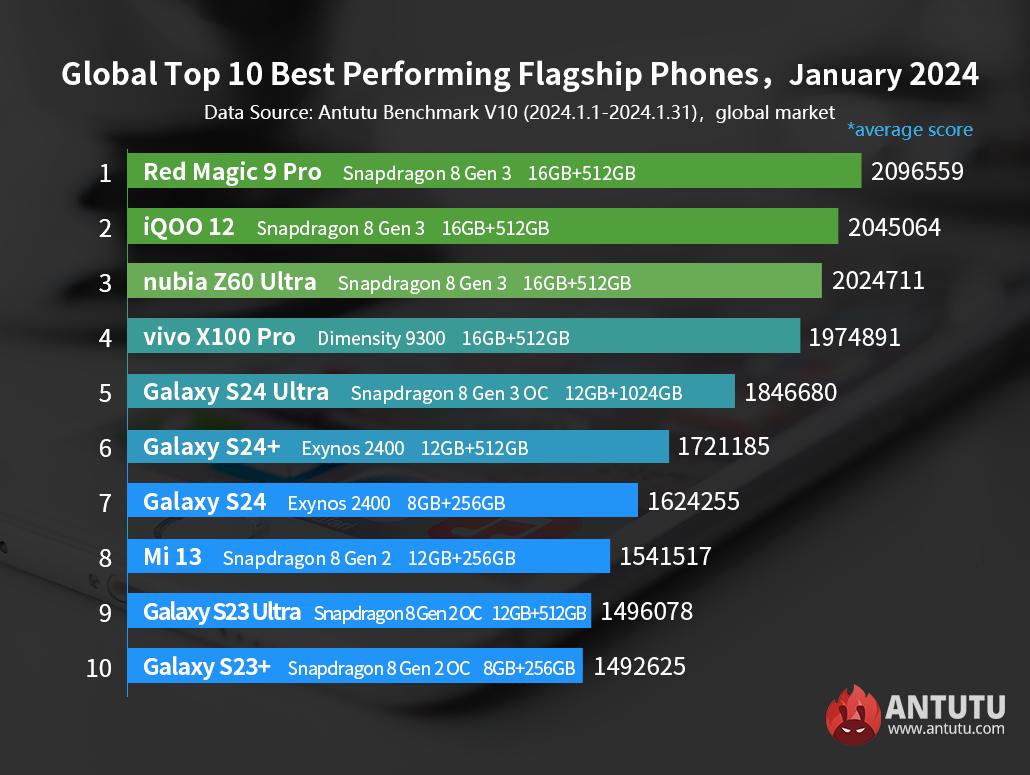
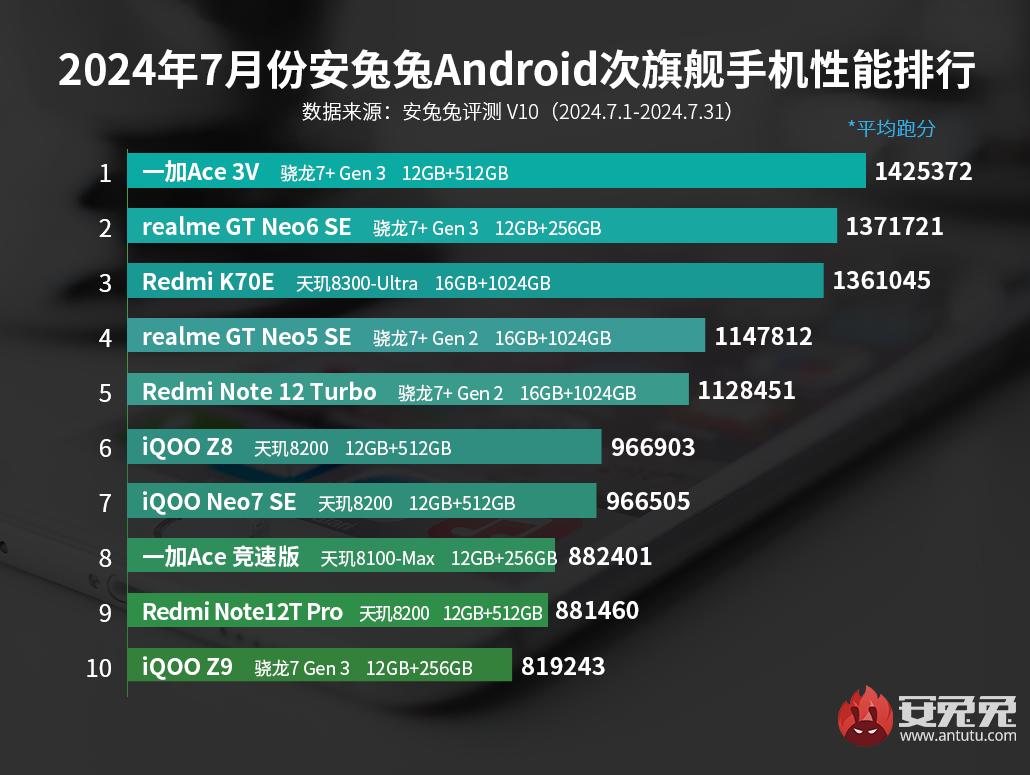
AnTuTu is a comprehensive benchmark that tests various aspects of smartphone performance, including CPU, GPU, memory, and storage. It provides an overall score, as well as individual scores for each component.
CPU Tests: Measure the processor’s ability to handle integer and floating-point calculations.
AnTuTu is popular for its comprehensive approach, providing a holistic view of smartphone performance. However, its scores can be influenced by various factors, including software optimizations and background processes.
3DMark
3DMark is a dedicated graphics benchmark that focuses on GPU performance. It provides a series of demanding tests that simulate real-world gaming scenarios.
Wild Life: Designed for modern mobile devices, testing their ability to handle demanding graphics.
3DMark is ideal for gamers and those who prioritize graphics performance. It provides detailed insights into the device’s ability to handle complex visuals.
GFXBench
GFXBench is another graphics benchmark that focuses on measuring GPU performance. It provides a series of tests that simulate various gaming scenarios and graphics effects.
Aztec Ruins: A demanding test that pushes the limits of modern mobile GPUs.
GFXBench is widely used by manufacturers and reviewers to evaluate graphics performance.
PCMark for Android
PCMark for Android is a benchmark that focuses on real-world application performance. It simulates everyday tasks like web browsing, video editing, and photo editing.
Work 3.0 Performance: Tests common productivity tasks.
PCMark provides a more realistic assessment of how a smartphone performs in everyday use.
AI Benchmarks
With the increasing importance of AI in smartphones, dedicated AI benchmarks are emerging. These benchmarks measure the performance of the device’s neural processing unit (NPU) or other AI accelerators.
AI Benchmark: Measures the performance of various AI tasks, including image recognition, object detection, and natural language processing.
AI benchmarks are crucial for evaluating the device’s ability to handle AI-powered features.
Benchmark scores are just numbers. To make sense of them, it’s essential to consider the following:
Comparison with Similar Devices: Compare the scores of the device you’re interested in with those of other devices in the same price range or with similar specifications.
While benchmarks provide valuable insights, they have limitations:
Synthetic Tests: Benchmarks are synthetic tests that don’t always accurately reflect real-world usage.
While benchmarks are a valuable tool, they shouldn’t be the sole factor in your purchasing decision. Consider the following:
User Reviews: Read reviews from trusted sources to get insights into the device’s real-world performance.
Smartphone benchmarks provide a valuable way to compare device performance, but they should be used in conjunction with other factors. By understanding the types of benchmarks, interpreting the results, and considering the limitations, you can make informed purchasing decisions and find a smartphone that meets your needs. Remember that real-world usage and personal preferences are ultimately the most important factors in choosing the right device.


