The Ubiquitous Companion: Exploring the Depths of smartphone Integration
The smartphone, once a novelty, has morphed into an indispensable extension of our lives. Its integration isn’t merely about making calls or sending texts; it’s a profound weaving of digital capabilities into the fabric of our daily routines, work, and social interactions. This 3000-word exploration delves into the multifaceted nature of smartphone integration, examining its impact across various domains and contemplating its future trajectory.
The Foundation: Hardware and Operating System Synergy
The seamless integration we experience starts at the core: the harmonious interplay of hardware and operating systems. Modern smartphones boast powerful processors, high-resolution displays, and sophisticated sensors, all orchestrated by robust operating systems like Android and iOS.
The Evolution of Hardware Integration
Mercedes-Benz MBUX Smartphone integration LSH Auto UK
Miniaturization and Power: The relentless pursuit of smaller, more powerful components has allowed for the integration of complex functionalities into increasingly compact devices. This has driven the development of advanced camera systems, high-fidelity audio, and efficient power management.
Sensor Fusion: Smartphones are packed with sensors – accelerometers, gyroscopes, GPS, ambient light sensors, and more. The integration of data from these sensors enables a wide range of applications, from fitness tracking to augmented reality experiences.
Biometric Authentication: Fingerprint scanners and facial recognition have become standard, providing secure and convenient access to our devices and sensitive information. This integration has significantly enhanced security and streamlined user experience.
The Role of Operating Systems
Application Ecosystem: Operating systems provide the platform for a vast ecosystem of applications, enabling users to customize their smartphones to meet their specific needs. The seamless integration of these applications into the OS is crucial for a smooth user experience.
Cloud Integration: Modern operating systems are deeply integrated with cloud services, allowing for seamless data synchronization, backup, and access across multiple devices. This integration has blurred the lines between local storage and cloud resources.
Cross-Device Functionality: Features like Continuity on iOS and Your Phone on Windows exemplify the growing trend of cross-device integration. This allows users to seamlessly transition between their smartphones, tablets, and computers, enhancing productivity and convenience.
Communication and Connectivity: The Heart of Integration
Smartphones have revolutionized communication, offering a plethora of channels for staying connected with others.
Beyond Voice and Text
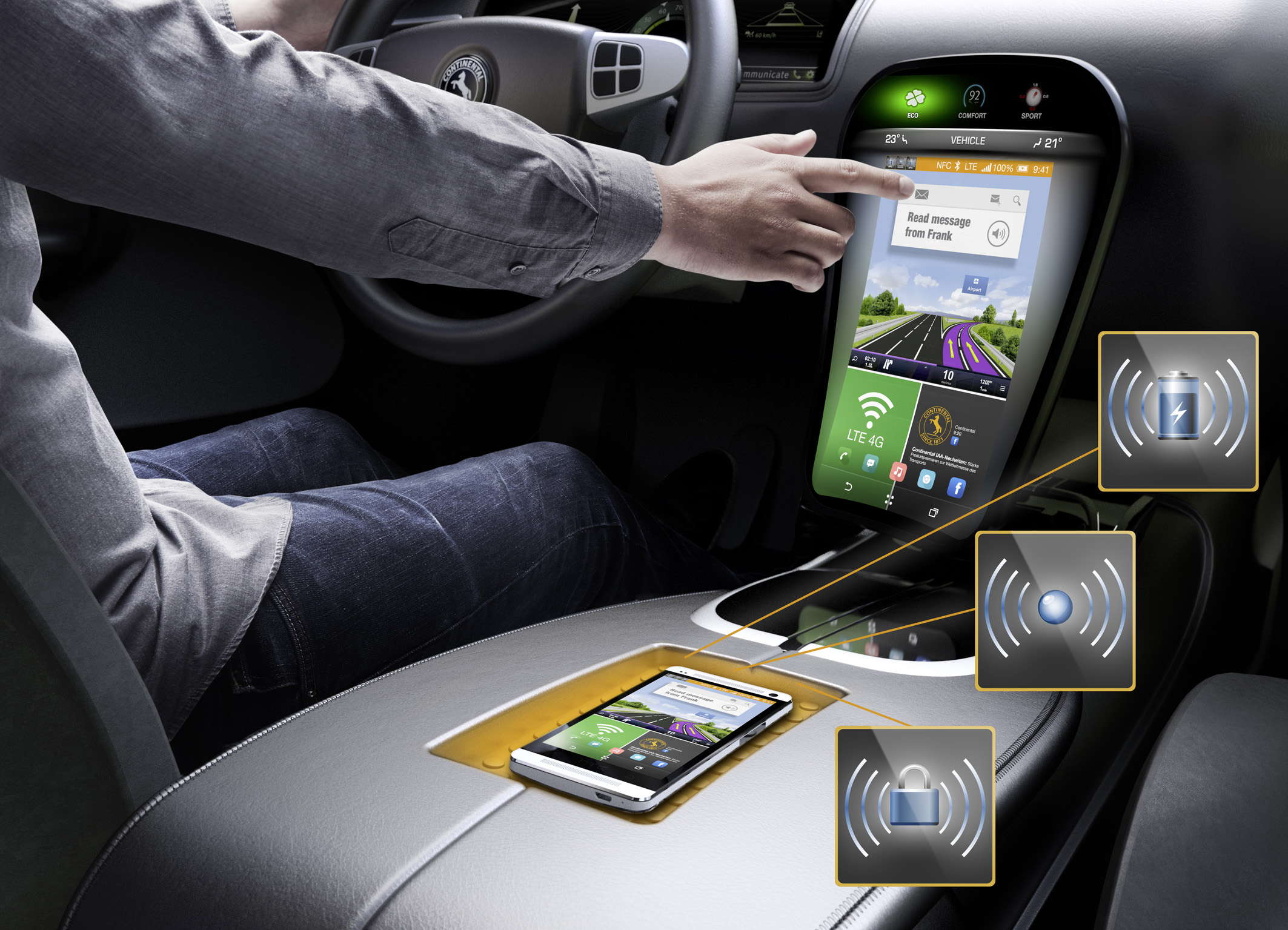
Continental Unveils Smartphone Integration for all Vehicle Classes
Instant Messaging and Social Media: Platforms like WhatsApp, Messenger, and Instagram have become primary modes of communication, offering rich multimedia capabilities and fostering social connections. The integration of these platforms into the operating system allows for seamless sharing and interaction.
Video Conferencing: Apps like Zoom and Google Meet have transformed remote communication, enabling face-to-face interactions from anywhere in the world. This integration has become particularly crucial in the era of remote work and virtual meetings.
Email and Calendar Integration: Seamless integration of email and calendar applications ensures that users stay organized and informed, receiving timely notifications and managing their schedules efficiently.
The Power of Connectivity
Wi-Fi and Cellular Networks: Smartphones connect to the internet through Wi-Fi and cellular networks, providing access to a wealth of information and services. The seamless switching between these networks ensures uninterrupted connectivity.
Bluetooth and NFC: Bluetooth enables wireless connectivity to a wide range of devices, from headphones to smartwatches. NFC facilitates contactless payments and data transfer, enhancing convenience and security.
5G and Beyond: The advent of 5G and future cellular technologies promises even faster speeds and lower latency, enabling new applications and experiences, such as augmented reality and virtual reality.
Productivity and Efficiency: The Smartphone as a Workhorse
Smartphones have become indispensable tools for productivity, offering a range of applications and features that streamline workflows and enhance efficiency.
Mobile Office and Document Management
Office Suite Integration: Mobile versions of popular office suites like Microsoft Office and Google Workspace allow users to create, edit, and share documents on the go. This integration has transformed smartphones into powerful mobile workstations.
Cloud Storage and Collaboration: Cloud storage services like Google Drive and Dropbox enable seamless access to documents and files across multiple devices, facilitating collaboration and version control.
Note-Taking and Task Management: Apps like Evernote and Todoist help users stay organized and manage their tasks efficiently. The integration of these apps with calendars and email ensures that deadlines are met and priorities are managed effectively.
Automation and Smart Assistants
Voice Assistants: Siri, Google Assistant, and Alexa have become integral parts of the smartphone experience, enabling hands-free control and access to information. The integration of these assistants into the operating system allows for seamless voice commands and interactions.
Automation Apps: Apps like IFTTT and Zapier allow users to automate tasks and workflows, connecting different applications and services. This integration has significantly enhanced efficiency and productivity.
Personalization and Customization: Smartphones learn user preferences and habits, providing personalized recommendations and customized experiences. This integration enhances user experience and streamlines workflows.
Entertainment and Leisure: The Smartphone as a Digital Hub
Smartphones have become central to entertainment and leisure, offering a wide range of multimedia capabilities and access to a vast library of content.
Multimedia Consumption
Streaming Services: Apps like Netflix, Spotify, and YouTube provide access to a vast library of movies, music, and videos. The integration of these services into the operating system allows for seamless streaming and playback.
Gaming: Smartphones have become powerful gaming platforms, offering a wide range of games from casual puzzles to immersive 3D experiences. The integration of gaming controllers and cloud gaming services has further enhanced the mobile gaming experience.
Photography and Videography: Smartphone cameras have become increasingly sophisticated, enabling users to capture high-quality photos and videos. The integration of image editing and sharing apps allows for seamless content creation and distribution.
Social Entertainment and Engagement
Social Media Platforms: Platforms like TikTok and Instagram have become hubs for social entertainment, offering short-form videos and interactive content. The integration of these platforms into the operating system allows for seamless sharing and engagement.
Live Streaming: Platforms like Twitch and YouTube Live enable users to broadcast live video content, fostering social interaction and engagement. The integration of live streaming features into smartphone cameras has democratized content creation.
Augmented Reality and Virtual Reality: Smartphones are becoming increasingly capable of delivering augmented reality and virtual reality experiences, offering new forms of entertainment and engagement.
The Future of Smartphone Integration: Beyond the Screen
The future of smartphone integration extends beyond the current capabilities, promising even more seamless and immersive experiences.
The Rise of Wearable Technology
Smartwatches and Fitness Trackers: Wearable devices like smartwatches and fitness trackers are becoming increasingly integrated with smartphones, providing health monitoring, notifications, and other functionalities. This integration enhances user experience and provides a more holistic view of personal data.
Augmented Reality Glasses: The development of augmented reality glasses promises to further blur the lines between the digital and physical worlds, offering immersive experiences and hands-free access to information. This integration will require seamless communication and data sharing between smartphones and wearable devices.
Smart Clothing and Implants: In the future, smartphones may be integrated into smart clothing and even implanted devices, offering continuous monitoring and personalized experiences. This integration will raise ethical and privacy considerations.
The Internet of Things (IoT) and Smart Homes
Smart Home Control: Smartphones are becoming central hubs for controlling smart home devices, such as lights, thermostats, and appliances. The integration of smart home platforms into the operating system allows for seamless control and automation.
Connected Cars: Smartphones are increasingly integrated with connected cars, providing navigation, entertainment, and vehicle diagnostics. This integration enhances safety and convenience.
Smart Cities and Infrastructure: Smartphones are playing a crucial role in the development of smart cities, providing access to real-time information and services. This integration enhances efficiency and sustainability.
Artificial Intelligence and Machine Learning
Personalized Experiences: AI and machine learning algorithms are being used to personalize smartphone experiences, providing tailored recommendations and customized interfaces. This integration enhances user experience and efficiency.
Predictive Analytics: AI and machine learning are being used to predict user behavior and needs, providing proactive assistance and anticipating future requirements. This integration enables a more seamless and intuitive user experience.
Natural Language Processing: Natural language processing is enabling more natural and intuitive interactions with smartphones, allowing users to communicate through voice and text in a more conversational manner. This integration enhances accessibility and usability.
The smartphone’s integration into our lives is a continuous evolution, driven by technological advancements and user demands. As we move forward, we can expect even more seamless and immersive experiences, blurring the lines between the digital and physical worlds. However, it’s crucial to address the ethical and privacy considerations associated with this increasing integration, ensuring that technology serves humanity in a responsible and sustainable manner.